Table of contents
- How to choose your beach in Tenerife
- Quick map: locate the best beaches & natural pools
- Must-see beaches in Tenerife
- Natural pools: what they are, how to get there & safety
- Local tips to make the most of your time
- FAQs
When I first landed on the island I was hunting for a short list of beaches I absolutely had to see. There are a thousand recommendations out there, but in the end you want something clear so you can make the most of your trip. Here’s my practical guide to Tenerife top beaches, mixing golden-sand bays, black-sand/rocky coves, natural pools and one extra: the Los Gigantes cliffs. They’re not a beach, but they’ll leave you speechless.
How to choose your beach in Tenerife (north vs south, wind, swell & services)
North vs south (microclimates)
South/South-west (Costa Adeje, Playa Paraíso, Los Cristianos): more sunshine hours, generally calmer sea and plenty of services. Ideal if you want family-friendly facilities, sunbeds and beach bars.
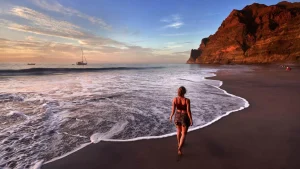
North (Anaga, Puerto de la Cruz, La Orotava): spectacular volcanic scenery, black sand and more swell. Perfect for dramatic photos and anyone who enjoys a wilder vibe.
Wind & swell
The trade winds blow from the NE; afternoons can feel windier, especially around El Médano/La Tejita (a kitesurf heaven). Travelling with kids? Go early and look for sheltered bays such as Las Teresitas, Abama, El Duque, Camisón.
On open north-coast beaches (Benijo, Bollullo), the ocean demands respect: stay close to shore, watch for currents and follow lifeguard signage.
Sand type & heat
Black sand absorbs more heat: in the middle of the day it can get very hot — pack flip-flops.
Services & accessibility
If you need showers, toilets, lifeguards or accessible access, prioritise urban beaches in the south (El Duque, Torviscas, Camisón) or Las Teresitas in the north.
Car park: arrive early (before 10:00–10:30) on busy days or go late for sunset.
Personal note: the island’s variety surprised me — from artificial golden beaches in the north to black-sand shores and hidden natural pools that are a true little paradise. In each beach card below I’ll tell you the best bits and what to watch out for.
Quick map: locate the best beaches & natural pools
Think of the island in four practical zones:
- Anaga & Santa Cruz (NE): mountainous, wild, panoramic roads. Las Teresitas shines here (calm), and if you’re up for bends and short trails, Benijo is unforgettable.
- Classic north (Puerto de la Cruz, La Orotava): cliff coastline + black sand. El Bollullo is the postcard shot. The north coast is rich in natural pools (e.g., around San Juan de la Rambla/Icod).
- Windy south (El Médano): surfer/kite vibe, long beaches, Montaña Roja as a backdrop.
- Comfy south-west (Costa Adeje, Playa San Juan, Los Gigantes): gentle coves such as Abama and El Duque, plus the view of Los Gigantes (Los Guíos beach and lookouts).
Quick tip: the TF-1 (south) usually flows better; the TF-5 (north) can be slower. Allow extra time, especially if you’re chasing a Los Gigantes sunset.
Must-see beaches in Tenerife
A quick comparison table to choose at a glance:
| Beach | Area | Sand | Swell | Services | Best for |
|---|---|---|---|---|---|
| Las Teresitas | Santa Cruz (NE) | Golden (imported) | Very low | High | Families, hassle-free days |
| Benijo | Anaga (N) | Black | High | Low | Wild scenery, photographers |
| El Bollullo | La Orotava (N) | Black | Medium–high | Low | Nature, postcard views |
| Diego Hernández / Los Morteros | La Caleta (SW) | Golden/mixed | Low–medium | Very low | Hidden cove, chill vibes |
| El Médano & La Tejita | SE | Golden | Windy, medium | Medium | Kitesurf, long walks |
| Abama / El Duque | SW | Golden | Low | High | Comfort, calm water |
| Camisón / Ajabo / Torviscas | SW | Golden | Low | High | Families, accessibility |
| Los Guíos (Los Gigantes) | W | Dark | Low–medium | Medium | Cliff views |
Las Teresitas (golden sand & flat water)
Artificial bay protected by a breakwater: calm water, golden sand and full facilities (showers, toilets, beach bars, lifeguards). Large car park (fills up at weekends).
Why go: easy, no-surprise beach day; perfect if you’ve just arrived and want a win.
Best time: clear mornings; sunset over the Anaga ridges is lovely.
Personal tip: on my first visit this was my “safe bet” to start the trip on a high.
Benijo (black, wild & watch the currents)
Iconic volcanic sea stacks and epic sunsets. Access via a winding road and a short walk. Powerful swell — do not underestimate the ocean. Minimal services.
Why go: pure “wow” scenery, photos and raw nature.
Best time: late afternoon for golden tones and usually less wind.
Caution: check the tide; at high tide the sandy area shrinks a lot.
El Bollullo (scenic black-sand beach, downhill access)
One of the north’s most beautiful black-sand beaches. Park at the top and walk down a path (wear decent footwear). Swell often present.
Why go: striking contrast of green cliffs, black sand and blue water; quieter than urban beaches.
Facilities: small bar at the top; on the beach it’s basic.
Personal tip: in summer the sand gets hot at midday — I bring flip-flops and a UV top for longer stays.
Diego Hernández / Los Morteros (boho cove)
Hidden cove between La Caleta and El Puertito. Access along a path over lava fields (not pushchair-friendly). Laid-back atmosphere, no services — bring water and shade.
Why go: that secret-spot feel and clear water on calm days.
Best time: calm, breezeless mornings.
Respect: fragile environment — pack out everything and never light fires.
El Médano & La Tejita (wind sports, Montaña Roja backdrop)
Long sands for walking, kite-friendly winds, views of Montaña Roja. On windy days there’s flying sand; look for more sheltered corners or head to La Tejita by the red hill.
Why go: sporty vibe, kite/windsurf schools, wide sunsets.
Families: if you want mirror-flat water, this isn’t ideal on strong trade-wind days.
My take: I love it for a long sunset walk and photos with Montaña Roja.
Abama & El Duque (services & calm in the south-west)
Abama: protected cove with tranquil, turquoise water; limited parking (arrive early).
El Duque: seafront promenade, restaurants, sunbed hire, easy access.
Why go: when you want maximum comfort without sacrificing a perfect swim.
Best time: early morning (fewer people) or blue hour for photos.
Camisón, Ajabo & Torviscas (family-friendly & central)
Classic Costa Adeje/Arona trio: sheltered bays, low swell, easy with kids and grandparents.
Facilities: everything you need; gear hire, ice creams, public toilets.
Tip: if it’s a windy day, try Camisón (very tucked in).
Los Guíos – Los Gigantes (beach + cliff lookouts)
Dark-sand beach at the foot of 600 m cliffs. Pleasant swim most days and superb sunsets.
Why go: the sheer scale of the landscape.
Personal note: even if it’s not a classic “best beach”, I always save an evening to stare at the cliffs — it’s impressive.
Natural pools: what they are, how to get there & safety
Natural pools are lava-rock pools along the coast. Crystal-clear, usually calm when the sea is gentle. They’re perfect if you want something different from a classic sandy beach.
How to choose & get there
Look for pools sheltered from direct swell with signed access.
Bring water shoes (volcanic rock + sea urchins), water and shade.
Popular examples in the north include areas around San Juan de la Rambla, La Guancha, Icod. There are fewer in the south, but you can find spots around Arico/Granadilla.
Safety
Watch for groundswell: if waves break over the pool, don’t go in.
Avoid slippery edges and never jump without checking depth.
Check the tide: at low tide you’ll usually have more space and calmer water.
Personal note: some pools I found were “unique, hidden places” and quickly became my favourite corners of the trip.
Local tips to make the most of your time (parking, timing, kit)
- Winning hours: sunrise or early morning for easy parking and calmer sea. For afternoons, pick sheltered bays (El Duque, Abama, Camisón).
- Shade & protection: Canarian sun is strong — high-SPF sun cream, UV top and a cap.
- Footwear: flip-flops for hot black sand and water shoes for pools/rocks.
- Wind plan B: if El Médano is howling, slide over to the south-west (more shelter).
- Getting around: a car gives you range; buses work, but allow time for connections.
- Respect: pack out litter, don’t smoke on the sand where prohibited, avoid nesting areas and never light fires.
This guide is built to save you time: pick based on your style (total calm, wild photo spot, family day or kite session) and you’ll have your own shortlist of Tenerife top beaches.
FAQs: quick answers about Tenerife’s beaches
What’s the most beautiful beach in Tenerife?
For wild postcard views: Benijo. For beauty with calm water: Abama or El Duque. For a unique black-sand contrast: El Bollullo.
Where can I swim with no swell (with kids)?
Las Teresitas, Camisón, Torviscas, Abama. These are sheltered bays.
Which black-sand beaches are worth it?
Benijo and El Bollullo are top. You’ll also find darker sand around Los Gigantes.
Are there safe natural pools?
Choose sheltered pools and go at low tide. Wear water shoes and avoid days with strong swell.
North or south for the best weather?
If you want more guaranteed sun and calmer seas: the south/south-west. If you’re after volcanic drama and epic photos: the north.
Are there nudist beaches?
Yes, in certain stretches and more secluded coves (for example, parts of La Tejita or discreet south-west coves). Always respect signage and common sense.
Conclusion
Tenerife packs four destinations into one island: golden bays, shimmering black sands, crystal-clear natural pools and cliffs that take your breath away. With this guide you can build a route without wasting time: start with Las Teresitas or Abama, add a wild day at Benijo or Bollullo, take a breezy stroll in El Médano and finish with sunset at Los Gigantes. Your shortlist of Tenerife top beaches is ready.